Empire State Building + NY Water Taxi All Day Access Pass
OverView
1,453 feet, 8 9/16 inches to the tip of the broadcast tower
Broadcast tower adds 203 feet 8 9/16 inches
103 floors
1,872 steps to the 103rd floor
Sits on 79,288 square feet, approximately 2 acres
Weighs 365,000 tons
Volume is 37 million cubic feet
200,000 cubic feet of Indiana limestone & granite exterior cladding
An estimated ten million bricks were used in construction
730 tons of aluminum and stainless steel were used in construction
57,000 tons of steel were used in construction
Contains 473 miles of electrical wiring and 70 miles of pipe
6,514 windows
210 columns at the base support the entire weight of the building
Construction was completed in one year and 45 days
Seven million man-hours went into constructing the Empire State Building
Final cost of property and construction was $41 million
73 elevators
Five entrances
2.85 million rentable square feet New York Water Taxi Do the complete ride alone in 90-minutes - or go at your own pace, hopping on and off as many times as you like at any one of the four convenient piers (listed below), and have a blast exploring! Some of the popular sites to visit along the route: Intrepid Sea, Air and Space Museum Times Square / Broadway Hudson River Park National Museum of the American Indian Museum of Jewish Heritage Financial District /Wall Street South Street Seaport DUMBO Brooklyn Bridge Park ...and much, much more! All-Day Access Pass service stops at: Midtown: W. 42nd Street Downtown: Battery Park Downtown: South Street Seaport Pier 1 - Brooklyn Bridge Park, DUMBO
Pompeii - Skip-the-line Ticket
Überspringen Sie die Warteschlangen Es ist sehr wichtig, dass Sie das Gelände vom Eingang Porta Marina Superiore oder Porta Marina Inferiore aus betreten. Die übrigen Eingänge verfügen nicht über einen Fast-Track Zugang, sodass Sie sich dort in die Wartschlangen stellen müssten.
Queenstown Combos - Skydive + Shotover Jet + Shotover Rafting
You will be overwhelmed with adrenalin as you step out of a plane thousands of feet above the ground. Free-fall at 200km/h towards the earth before your parachute opens and you glide under the canopy with a grin from ear to ear. Take the historical journey along the Skippers Canyon road (an adventure in itself) to join a white-water rafting trip through the Shotover River Canyon. Add on a speedy jet boat tour that whips past the rock walls and you’ve got yourself a day of action packed adventure. YOU SHOULD BRING: Swim wear Towel
Big Bus Hong Kong - Classic Ticket
The ClassicTour allows you to see all of Hong Kong’s top sights and attractions in 24 hours. Ride the open-top double decker bus, hopping on and off along the Hong Kong Island Tour, Kowloon Tour and Stanley Tour with over 20 stops around the city. Explore the famouslandmarks from the high rise skyline of Central, buzzing Nathan Road to the renowned Stanley Market. INCLUDES: 1 Day Hop-on Hop-off Big Bus Ticket Choice of Peak Tram Sky Pass Return ticket for the Star Ferry REDEMPTION INSTRUCTION: Redeem vouchers at the start of the tour/ Big Bus Tours Information Centre: Shop i2, 1st Floor, Central Ferry Pier 7. Hours of operation are 9:15am – 6:00pm
Snapshot tour of Dubai
Live Guide in English Duration - 2.5 hours Audio guiding in SPANISH, FRENCH, GERMAN, ITALIAN ,PORTUGUESE, ENGLISH & CHINESE. Starting 1st Nov'18 , ARABIC, JAPANESE,RUSSIAN, KOREAN & TURKISH will be available Pick Up - Dubai AIRPORT DXB or Your HOTEL Departure time - 10h30 & 14h30
iRide Trolley - Billete de 5 Días
Para explorar la ciudad hay disponibles dos rutas: La Ruta Roja viaja a lo largo del International Drive desde los Premium Outlets hasta Sea World. El recorrido continúa por la parte sur del Iternational Drive y termina en los Premium Outlets. Hay 77 prácticos trolebuses que llegan aproximadamente cada 20 minutos. La Ruta Verde viaja a lo largo del Universal Boulevard hasta la parte sur del International Drive. Los trolebuses de esta ruta llegan aproximadamente cada 30 minutos. Mapa y paradas de las dos rutas disponibles
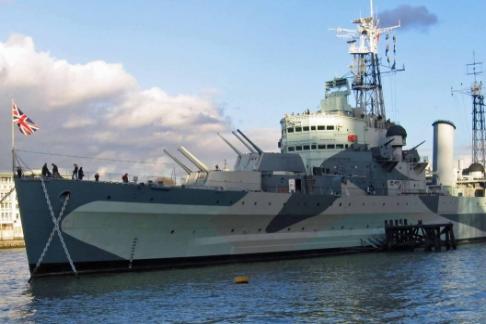
Tower Bridge Exhibition + HMS Belfast
HMS Belfast One of the most powerful large light cruisers ever built, HMS Belfast is now the only surviving vessel of her type to have seen active service during the Second World War. HMS Belfast played a leading part in the destruction of the battle cruiser Scharnhorst, and also the Normandy Landings. In service with the Royal Navy until 1965, she was saved for the nation in 1971 as a unique reminder of Britain’s naval heritage. Launch! Shipbuilding Through the Ages This new family-orientated exhibition will use hands-on and computerised interactive displays and engaging film and footage to demonstrate techniques of shipbuilding, from the ‘age of sail’ to modern prefabrication methods. The exhibition will focus on the science, engineering and social history of shipbuilding in Great Britain, and the interactive elements of the exhibition will allow children of all ages to get involved and experience this history. Explore ‘What shall we give in return for so much?’ One of the most powerful large light cruisers ever built, HMS Belfast is now the only surviving vessel of her type to have seen active service during the Second World War. Serving Britain for 32 years, she played an important role in both the Second World War and the Korean War as well as performing peacekeeping duties throughout the 1950s and 1960s. Saved from destruction in 1971, HMS Belfast is now part of the Imperial War Museum and is the first ship to be preserved for the nation since Nelson’s Victory. Through its team of staff and volunteers – many of whom are veteran crew – the Imperial War Museum is dedicated to making sure that HMS Belfast still has a role to play in reminding visitors of her unique place in Britain’s maritime heritage. History of HMS Belfast The term 'cruiser' goes back to the days of sailing ships when large frigates could be detached from the main fleet to cruise independently. The sailing cruiser, like her twentieth-century counterpart, was sufficiently powerful and fast to attack and destroy enemy commerce raiders. During the nineteenth century when sail gave way to steam and wooden ships were replaced by those built of iron, and later of steel, the cruiser evolved into a powerful warship which was used to patrol the Empire trade routes and protect friendly merchant shipping. After the First World War (1914-1918) a single category of cruiser emerged whose size was indicated by the size of its guns; thus, HMS Belfast is a 6-inch cruiser, designed for the protection of trade, for offensive action, and as a powerful support for amphibious operations. Please note: children under 16 must be accompanied by an adult. Please allow 1½ - 2 hours for your visit. Tower Bridge Exhibition Walkways & Exhibition: Visitors enter Tower Bridge Exhibition via the North Tower. They are then transported by lift to the top of the Tower (47 metres above the Thames) where they have a unique opportunity to see the Bridge’s steel skeleton from within. A short film explains the history and provenance of the Bridge and then there is the chance to admire the spectacular views – from both covered Walkways. On Monday 1st December, Tower Bridge’s East Walkway will reopen with its own GLASS FLOOR, joining the West Walkway to complete our new-look exhibition. Together with far-reaching views of East London, the walkway will be bolstered with a further 20 revered bridges in the extended popular display, ‘Great Bridges of the World’. On the east Walkway there are fantastic views of the Docklands and from the west Walkway you can see the new GLA building, the Tower of London, St Paul’s, the city, the Pool of London and Big Ben and the London Eye in the distance. Interactive computerised kiosks and graphic panels explain the significance of the views to visitors, as well as providing more information on the history and building of the Bridge. The interactive material and graphic panels are written in seven languages and an audio loop for the hard of hearing is also in place for the video show. There is another film to view in the South Tower before descending for the short walk to the historical Engine Rooms, included in your ticket price. Victorian Engine Rooms: These provide a fascinating insight into late 19th century engineering. Installed for the completion of Tower Bridge in 1894, these huge, and beautifully maintained, coal-driven engines were used to power the thousands of bascule Bridge lifts performed until 1976. Although lifts are now operated by electricity, the original steam engines are still in place. The Engine Rooms give visitors a chance to experiment with models demonstrating the technology behind the Bridge. There are also some amazing photographs of Tower BridgeTthroughout its lifetime – including a revealing picture of the heavy steel structure of the Bridge as the stone cladding was installed over it.