
Historic London Pubs & Beer Tasting
OverView
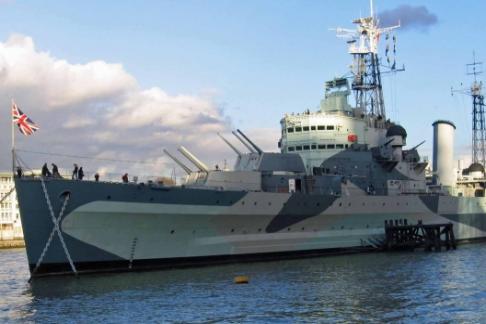
Tower Bridge Exhibition + HMS Belfast
HMS Belfast One of the most powerful large light cruisers ever built, HMS Belfast is now the only surviving vessel of her type to have seen active service during the Second World War. HMS Belfast played a leading part in the destruction of the battle cruiser Scharnhorst, and also the Normandy Landings. In service with the Royal Navy until 1965, she was saved for the nation in 1971 as a unique reminder of Britain’s naval heritage. Launch! Shipbuilding Through the Ages This new family-orientated exhibition will use hands-on and computerised interactive displays and engaging film and footage to demonstrate techniques of shipbuilding, from the ‘age of sail’ to modern prefabrication methods. The exhibition will focus on the science, engineering and social history of shipbuilding in Great Britain, and the interactive elements of the exhibition will allow children of all ages to get involved and experience this history. Explore ‘What shall we give in return for so much?’ One of the most powerful large light cruisers ever built, HMS Belfast is now the only surviving vessel of her type to have seen active service during the Second World War. Serving Britain for 32 years, she played an important role in both the Second World War and the Korean War as well as performing peacekeeping duties throughout the 1950s and 1960s. Saved from destruction in 1971, HMS Belfast is now part of the Imperial War Museum and is the first ship to be preserved for the nation since Nelson’s Victory. Through its team of staff and volunteers – many of whom are veteran crew – the Imperial War Museum is dedicated to making sure that HMS Belfast still has a role to play in reminding visitors of her unique place in Britain’s maritime heritage. History of HMS Belfast The term 'cruiser' goes back to the days of sailing ships when large frigates could be detached from the main fleet to cruise independently. The sailing cruiser, like her twentieth-century counterpart, was sufficiently powerful and fast to attack and destroy enemy commerce raiders. During the nineteenth century when sail gave way to steam and wooden ships were replaced by those built of iron, and later of steel, the cruiser evolved into a powerful warship which was used to patrol the Empire trade routes and protect friendly merchant shipping. After the First World War (1914-1918) a single category of cruiser emerged whose size was indicated by the size of its guns; thus, HMS Belfast is a 6-inch cruiser, designed for the protection of trade, for offensive action, and as a powerful support for amphibious operations. Please note: children under 16 must be accompanied by an adult. Please allow 1½ - 2 hours for your visit. Tower Bridge Exhibition Walkways & Exhibition: Visitors enter Tower Bridge Exhibition via the North Tower. They are then transported by lift to the top of the Tower (47 metres above the Thames) where they have a unique opportunity to see the Bridge’s steel skeleton from within. A short film explains the history and provenance of the Bridge and then there is the chance to admire the spectacular views – from both covered Walkways. On Monday 1st December, Tower Bridge’s East Walkway will reopen with its own GLASS FLOOR, joining the West Walkway to complete our new-look exhibition. Together with far-reaching views of East London, the walkway will be bolstered with a further 20 revered bridges in the extended popular display, ‘Great Bridges of the World’. On the east Walkway there are fantastic views of the Docklands and from the west Walkway you can see the new GLA building, the Tower of London, St Paul’s, the city, the Pool of London and Big Ben and the London Eye in the distance. Interactive computerised kiosks and graphic panels explain the significance of the views to visitors, as well as providing more information on the history and building of the Bridge. The interactive material and graphic panels are written in seven languages and an audio loop for the hard of hearing is also in place for the video show. There is another film to view in the South Tower before descending for the short walk to the historical Engine Rooms, included in your ticket price. Victorian Engine Rooms: These provide a fascinating insight into late 19th century engineering. Installed for the completion of Tower Bridge in 1894, these huge, and beautifully maintained, coal-driven engines were used to power the thousands of bascule Bridge lifts performed until 1976. Although lifts are now operated by electricity, the original steam engines are still in place. The Engine Rooms give visitors a chance to experiment with models demonstrating the technology behind the Bridge. There are also some amazing photographs of Tower BridgeTthroughout its lifetime – including a revealing picture of the heavy steel structure of the Bridge as the stone cladding was installed over it.
![Urban Adventures - Detroit - Detroit's Rise, Fall & Renewal [USDB]](/image/products/5/f/5f930ea40b317.jpg "Urban Adventures - Detroit - Detroit's Rise, Fall & Renewal [USDB]")
Urban Adventures - Detroit - Detroit's Rise, Fall & Renewal [USDB]
Trip style: Local Life & Culture, History & Heritage Language Tour: English Full Itinerary Get the local lowdown on a city that's seen its fair share of drama in recent years on this historical Detroit tour that takes you through the city's crazy past. Begin your Detroit tour at a cafe on Broadway, where you'll meet your local guide and head out onto the streets. From the minute you leave the meeting point you'll start seeing some famous Detroit landmarks, such as the 95-year old Detroit Athletic Club, the renovated Opera House, the vacant Wurlitzer Building, and the fine new downtown YMCA. Your local guide will be telling you all you need to know about these spots, and what they mean to the city of Detroit. Continuing on your tour in Detroit, see the site where one of the biggest department stores in the US once stood. When it closed in the 1980s, it left a hole in the city that hasn't been filled. There are not many stores in the old retail district, but apartments and lofts have brought some new life to the area. Next on this Detroit city tour, the Compuware Building from 2002 is worth a visit, for its 15-story atrium and colorful fountain. Outside that building you'll see a panorama that includes landmarks like the 47-story Penobscot Building from 1928, the Guardian Building from 1929, and the Renaissance Center from 1977, which is home to the tallest hotel in the entire Western Hemisphere (72 floors!) as well as the headquarters of General Motors. Then you'll see Campus Martius Park in the heart of downtown, which opened in 2004 and features an ice-skating rink in winter and activities year-round. It recently won an award as the nation's most transformative urban park, and is a fine example of how Detroit is making a serious comeback. A visit to the Guardian Building gives you a picture of the greatness of Detroit in the late 1920s. The lobby and banking room of this art-deco skyscraper are truly incredible. We'll take a stop here, and then we take a ride on the elevated People Mover, which has been moving people around downtown Detroit since 1987. From the Michigan Avenue Station, see the $800 Million MGM Grand Casino and hotel that were completed in 2008, and the new Rosa Parks Transit Center (named for "the mother of the Civil Rights Movement") with its dramatic canopies. If the weather is nice, we'll walk to a nearby hotel that's a great example of Detroit's rise, fall and renewal. When it opened in 1924 it was the tallest hotel in the world and one of the fanciest, but it closed in the 1980s and stood vacant for more than 25 years on a prominent street corner. Detroiters were thrilled when it reopened after a $200 million renovation as the wonderful, a proud moment in Detroit's history! A block down from here is one of the world's tallest vacant buildings at 36-storeys high. Your leader will tell you stories of its past and how it awaits a new life. Next, we visit the area near Grand Circus Park, which is full of examples of Detroit's rocky history. Here we'll find even more vacant buildings as well as legendary parks and music venues that have hosted the like of Bruce Spingsteen and Detroit's own Eminem. This gives us many more opportunities for your guide to let you in on all the local secrets behind them. It's one thing simply seeing these buildings, but to get to know the history behind them makes the experience even more special, especially when it comes from the mouth of a local! Our last stop will be at a local brewpub, where you can sip on a local beer or soft drink and continue to chat about Detroit with your local guide. The first drink's on us!
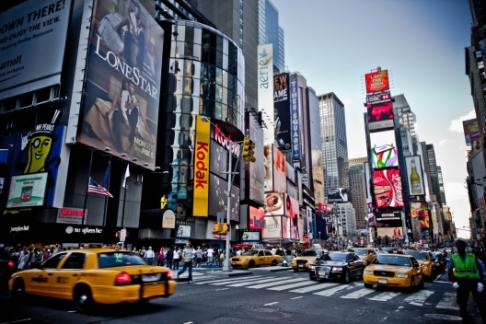
Gray Line CitySightseeing NY - New York Adventure Package
Start your NYC adventure off with a relaxing and scenic sightseeing cruise. Your Hop-on Hop-off CitySightseeing Ferry tour of the New York Harbor features unobstructed views of the Manhattan skyline, the Statue of Liberty, the Brooklyn Bridge and much more. A professional narrator will offer commentary along the way, so you’ll become acquainted with the city. Hop off at any of 4 stops along the way to explore the city at your own pace. Make sure you hop-off near Times Square (Pier 78 stop) to discover two unique New York attractions: Ripley’s Believe It Or Not and the all-new Gulliver’s Gate. When you enter Gulliver’s Gate, a whole new world awaits. Discover a universe of miniature replicas of sights ranging from the Parthenon to the Great Wall of China, displayed in detailed geographically themed exhibits, including an elaborate homage to New York City. But don’t expect everything to be exactly as it is on a map – Gulliver’s Gate is all about imagination. You’ll even see visions of the past, like Chinatown at the turn of the century. Back in the real world, things are only getting more interesting! Step inside Ripley’s Believe It or Not to see some of the most extraordinary real artifacts from around the world. Two-headed animals, shrunken heads and massive scrap metal sculptures will amaze and delight you as you roam through 2 full floors of odd exhibits. And finally, you can’t leave New York without fully experiencing the city’s most iconic attraction: the Empire State Building. Inside the skyscraper, check out the newly renovated Art Deco lobby, the sustainability and historical exhibits, and free self-guided multimedia tour. Then, ascend 1,050 feet above the streets to the 86th floor observatory deck, where you’ll have 360-degree views of the city skyline and beyond. It’s every bit as romantic as you’ve imagined! ** Does NOT include Bus Tour**
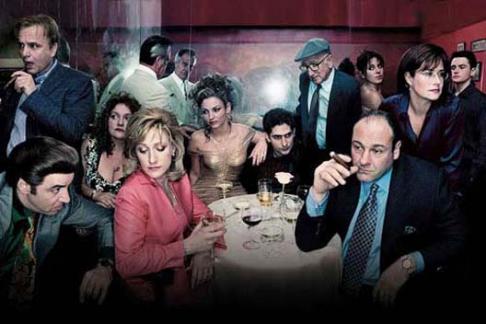
Sopranos Sites Tour
What You’ll See On Tour Take this amazing guided sightseeing tour of Sopranos Sites that departs from mid-town Manhattan and whisks fans through “Sopranoland” in New Jersey. Tour guides are actors that have appeared as stand-ins or extras on the show who share little known facts and behind the scenes info. This one-of-a-kind tour is a “must” for any Sopranos fan. Do you want a real-life peek into the locations from The Sopranos? Join On Location Tours’ guided bus tour of The Sopranos sites to become a Sopranos expert! Join us for sightseeing from NYC to the Jersey suburbs where Tony Soprano and his mafia buddies spend their days and nights. See where the mob hangs out! This is a great idea for bachelor parties in New York or New Jersey and for all fans of the Sopranos. You might even want to package it together with a dinner in Little Italy. From Manhattan to "Sopranoland" The tour of Sopranos Sites is based on the popular television show created by David Chase for HBO. Although the series ended in 2006, the episodes can still be seen on A&E. The Sopranos revolves around New Jersey mafia boss Tony Soprano (James Gandolfini) and the difficulties he faces as he tries to balance the often-conflicting requirements of his home life and the criminal organization he heads. The show gave a bird’s eye view into mob life and allowed viewers to see the inner workings of this New Jersey crime family. Season 1 and half of Season 2 were focused on Tony’s relationship with his mother Livia, played by Nancy Marchand. Ms. Marchand passed away half way through Season 2’s filming, which was eventually written into the story line. From that point on, Tony’s wife, Carmella (played by Edie Falco), his daughter Meadow (played by Jamie Lynn Siegler), along with his son AJ (played by Robert Iler) vie for Tony’s attention in between the dirty deals and beat downs that take place on a daily basis in this mob boss’ life. The tour begins in New York and starts out with sites from the opening credits, including the exit of the Lincoln Tunnel and the famous Manhattan skyline. As you arrive in Jersey, you’ll see more sites from the credits like The Muffler Man, Pizza Land, the Valley Landscape silo, a featured Tudor house, a building in the center of the Meadowlands that Tony often passes, and the ramp to the Pulaski Skyway seen at the end of every episode. The tour then hits some of the most recognizable places from The Sopranos: Barone Sanitation (Tony’s business), the Skyway Diner (where Christopher gets shot), Big Pussy’s auto body shop, and Satin Dolls, also known as the Bada Bing. The tour visits major sites that were used in filming the show such as Carmine’s Funeral Parlor; Party World and Car Wash; La Cibelle’s Restaurant, used as the locale for Nuovo Vesuvio, Artie Bucco’s (played by John Ventimiglia) restaurant in the show; Holsten’s (where the final scene of the last episode was shot); Searchlight Diner; and St. Cecila’s Church, all of which were locations for majors scenes in the show. Another major location for the television show, Satriale’s Pork Store, was a fictional establishment that was housed in an empty warehouse next to the Irish American Club in Kearny. The set was dismantled after the filming of the series concluded, and the building was torn down to make way for condominiums. More Sopranos filming locations include the back of Big Pussy’s house; the batting cages used by Pussy, AJ and Kevin; the Gold Driving Range where Tony takes his first Prozac; the marina where the Season 5 poster was photographed; Harrison High School where AJ vandalizes the pool; Seabra’s Rodizo, used as the Searchlight Diner where Pussy turns FBI informant; the statue of Christopher Columbus where the Sopranos get into a fight with the Native Americans; St. Cecilia’s (Carmela’s church); the funeral home used for Carmine’s wake; what’s left of the bakery where Christopher shot the guy in the foot; the Nuovo Vesuvio; the cemetery where Livia was buried, and many, many more. You Gotta Eat... Looking for something to do after this great tour? Why not grab a bite to eat in the great Manhattan neighborhood of Little Italy, where the Soprano family often spent time on the show. Just follow the red, white, and green parking meters along Mulberry Street (between Grand and Canal streets) and you will find more Italian eateries than you could ever hope to visit in a single trip, like Amici II, Café Roma, Casa Bella, Lombardi’s, Fratelli, Caffe Sorrento, Il Palazzo, and more. In the late 1800’s an influx of Italian immigrants created a Little Italy that wasn’t so little. Now, it is a bit smaller, with only a few thousand Italian-Americans calling Little Italy their home. However, the neighborhood has never lost its charm. Stop by Umberto’s Clam House, or Il Cortile to have a delicious lunch or dinner. Try La Mela for family style Italian or Grotta Azzura for upscale Italian. Skip dessert and grab some great cannoli over at Ferrara Bakery and Café. Or enjoy a glass of wine and tiramisu at one of the many outdoor cafes. * In an effort to stay current, we are constantly updating our tours with new locations and cannot guarantee the presence of locations mentioned on our site. If you have a particular interest in locations from a specific TV show or movie, please let your tour guide know and we will do our best to accomodate your request.
Ruta del Vino y Cava
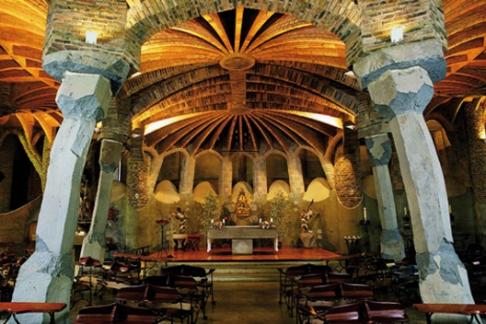
En las Bodegas Jean Leon realizarás una visita guiada y una degustación de vinos. Según la temporada, también podrás probar el mosto envejecido en bota e incluso la uva directamente de la vid. En esta bodega también te explicarán algunas curiosidades sobre su fundador, Jean Leon, que fue amigo y confidente de muchas estrellas de Hollywood, además de pionero en el estado en la plantación de variedades como el Cabernet Sauvignon, Cabernet Franc, Merlot y Chardonnay. En las Bodegas Torres, además de la visita guiada por las cavas, te invitarán a realizar un maridaje de tres vinos y tres quesos típicos catalanes. Tendrás la oportunidad de conocer y saborear los productos de una bodega asentada en el Penedés desde hace tres siglos. Desde entonces, el apellido Torres está ligado al vino. Hoy cuenta con más de 1300 hectáreas de viñas propias y está presente en más de 140 países del mundo. En las Cavas Freixenet disfrutarás de una visita guiada por las cavas y también podrás degustar su cava haciendo un aperitivo con productos típicos del Penedés, la zona vitivinícola por excelencia del país. Conocerás de primera mano la historia de esta empresa familiar, que comenzó en el negocio del cava a principios del siglo XX y que hoy cuenta con más de 18 bodegas en 7 países de 3 continentes. ¿Preparado para descubrir y saborear el Penedés?
PARISCityVISION – París de Noche: Tour por la Ciudad, Crucero y Entrada Exprés Torre Eiffel
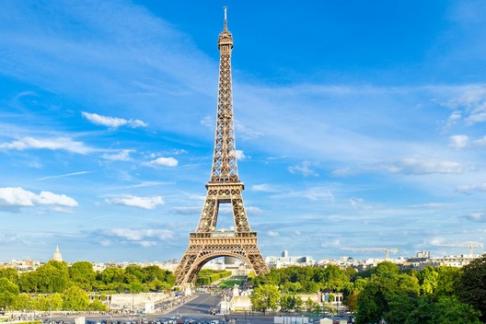
Tenga en cuenta: La secuencia del tour está sujeta a cambios (es decir, visitar la Torre Eiffel antes del crucero por el Sena). Cuando termina el tour, tiene la oportunidad de hacer el crucero más tarde (Puerto de Bourdonnais, compañía Bateaux Parisiens, frente a la Torre Eiffel. Salidas cada hora hasta las 21:30h) El vale del crucero por el río Sena se entrega al principio del tour en el autobús. A mediados de verano, parte del tour se realiza a la luz del día. El tour no es guiado: la anfitriona del tour no hace comentarios sobre los monumentos. El acceso de Entrada Exprés está sujeto a los procedimientos de la Torre Eiffel: El plan Vigipirate, el control de seguridad o una multitud imprevista puede ralentizar. La audioguía está disponible en: francés, inglés, español, italiano, alemán, portugués, japonés, mandarín, ruso y coreano.