

1 Day Tour - Loch Lomond National Park & Stirling Castle
OverView

Newcastle United Football Club - Classic Stadium Tour
Experience the magic of St. James’ Park Located in the heart of the city, St. James’ Park rises proudly from Newcastle’s iconic skyline. Our brand new Stadium Tour captures the rich history of our magnificent stadium, home of Newcastle United since1892. Opening with an introduction from one of the club’s greatest living legends, the tour packs in plenty of visual and audio effects to enhance your St. James’ Park experience. Our virtual assistant, specially designed location boards and amazing squad of knowledgeable tour guides, all combine to give you deeper understanding of the club and its proud legacy. Enjoy a Magpie’s view of St. James’ Park and beyond, from one the stadium’s highest vantage points Glimpse behind the scenes at the club with a tour of our Media Suite See where the manager delivers his post-match views and player interviews are filmed and beamed all around the worldExperience a walk down the tunnel to the sound of Local Hero Sit in your favourite player’s seat in the Home Dressing Room. **Please Note: In the occasion of a game and match day with an evening kick off prior any tours, the areas restricted will be away team dressing room, match control and TV Studio.**
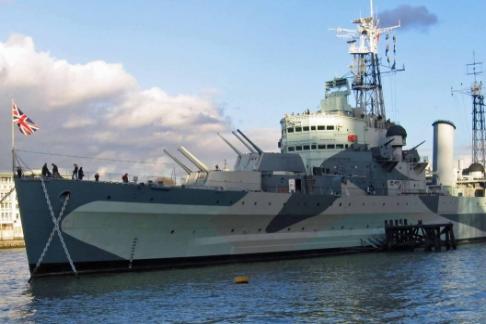
Tower Bridge Exhibition + HMS Belfast
HMS Belfast One of the most powerful large light cruisers ever built, HMS Belfast is now the only surviving vessel of her type to have seen active service during the Second World War. HMS Belfast played a leading part in the destruction of the battle cruiser Scharnhorst, and also the Normandy Landings. In service with the Royal Navy until 1965, she was saved for the nation in 1971 as a unique reminder of Britain’s naval heritage. Launch! Shipbuilding Through the Ages This new family-orientated exhibition will use hands-on and computerised interactive displays and engaging film and footage to demonstrate techniques of shipbuilding, from the ‘age of sail’ to modern prefabrication methods. The exhibition will focus on the science, engineering and social history of shipbuilding in Great Britain, and the interactive elements of the exhibition will allow children of all ages to get involved and experience this history. Explore ‘What shall we give in return for so much?’ One of the most powerful large light cruisers ever built, HMS Belfast is now the only surviving vessel of her type to have seen active service during the Second World War. Serving Britain for 32 years, she played an important role in both the Second World War and the Korean War as well as performing peacekeeping duties throughout the 1950s and 1960s. Saved from destruction in 1971, HMS Belfast is now part of the Imperial War Museum and is the first ship to be preserved for the nation since Nelson’s Victory. Through its team of staff and volunteers – many of whom are veteran crew – the Imperial War Museum is dedicated to making sure that HMS Belfast still has a role to play in reminding visitors of her unique place in Britain’s maritime heritage. History of HMS Belfast The term 'cruiser' goes back to the days of sailing ships when large frigates could be detached from the main fleet to cruise independently. The sailing cruiser, like her twentieth-century counterpart, was sufficiently powerful and fast to attack and destroy enemy commerce raiders. During the nineteenth century when sail gave way to steam and wooden ships were replaced by those built of iron, and later of steel, the cruiser evolved into a powerful warship which was used to patrol the Empire trade routes and protect friendly merchant shipping. After the First World War (1914-1918) a single category of cruiser emerged whose size was indicated by the size of its guns; thus, HMS Belfast is a 6-inch cruiser, designed for the protection of trade, for offensive action, and as a powerful support for amphibious operations. Please note: children under 16 must be accompanied by an adult. Please allow 1½ - 2 hours for your visit. Tower Bridge Exhibition Walkways & Exhibition: Visitors enter Tower Bridge Exhibition via the North Tower. They are then transported by lift to the top of the Tower (47 metres above the Thames) where they have a unique opportunity to see the Bridge’s steel skeleton from within. A short film explains the history and provenance of the Bridge and then there is the chance to admire the spectacular views – from both covered Walkways. On Monday 1st December, Tower Bridge’s East Walkway will reopen with its own GLASS FLOOR, joining the West Walkway to complete our new-look exhibition. Together with far-reaching views of East London, the walkway will be bolstered with a further 20 revered bridges in the extended popular display, ‘Great Bridges of the World’. On the east Walkway there are fantastic views of the Docklands and from the west Walkway you can see the new GLA building, the Tower of London, St Paul’s, the city, the Pool of London and Big Ben and the London Eye in the distance. Interactive computerised kiosks and graphic panels explain the significance of the views to visitors, as well as providing more information on the history and building of the Bridge. The interactive material and graphic panels are written in seven languages and an audio loop for the hard of hearing is also in place for the video show. There is another film to view in the South Tower before descending for the short walk to the historical Engine Rooms, included in your ticket price. Victorian Engine Rooms: These provide a fascinating insight into late 19th century engineering. Installed for the completion of Tower Bridge in 1894, these huge, and beautifully maintained, coal-driven engines were used to power the thousands of bascule Bridge lifts performed until 1976. Although lifts are now operated by electricity, the original steam engines are still in place. The Engine Rooms give visitors a chance to experiment with models demonstrating the technology behind the Bridge. There are also some amazing photographs of Tower BridgeTthroughout its lifetime – including a revealing picture of the heavy steel structure of the Bridge as the stone cladding was installed over it.
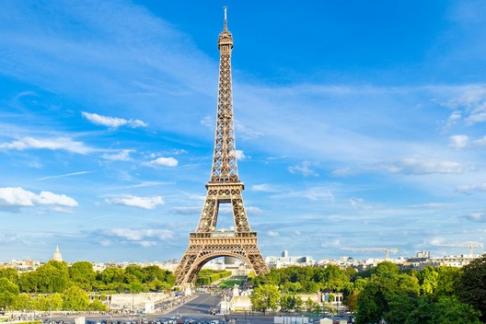
PARISCityVISION – París de Noche: Tour por la Ciudad, Crucero y Entrada Exprés Torre Eiffel
Tenga en cuenta: La secuencia del tour está sujeta a cambios (es decir, visitar la Torre Eiffel antes del crucero por el Sena). Cuando termina el tour, tiene la oportunidad de hacer el crucero más tarde (Puerto de Bourdonnais, compañía Bateaux Parisiens, frente a la Torre Eiffel. Salidas cada hora hasta las 21:30h) El vale del crucero por el río Sena se entrega al principio del tour en el autobús. A mediados de verano, parte del tour se realiza a la luz del día. El tour no es guiado: la anfitriona del tour no hace comentarios sobre los monumentos. El acceso de Entrada Exprés está sujeto a los procedimientos de la Torre Eiffel: El plan Vigipirate, el control de seguridad o una multitud imprevista puede ralentizar. La audioguía está disponible en: francés, inglés, español, italiano, alemán, portugués, japonés, mandarín, ruso y coreano.

Grayline Las Vegas - Gran Cañón West Rim - Bus + Vuelo en Helicópter / Pontón
¡Prepárese para vivir una aventura salvaje en Gran Cañón West Rim! Su guía profesional le contará información sobre Gran Cañón mientras se relaja en el lujoso autobús. Su recorrido comenzará con una parada para sacar fotos en la presa Hoover desde el increíble puente O'Callaghan-Tillman, con tiempo suficiente para disfrutar de la majestuosidad de la obra maestra de ingeniería, y luego retomar el viaje hacia el Gran Cañón. A continuación viajará por el Bosque Joshua Tree Forest en ruta hacia West Rim durante aproximadamente 4 horas. ¡No se olvide de comprar sus entradas para el mirador del Gran Cañón y disfrutar de la experiencia al máximo! Contemple las impresionantes vistas del Gran Cañón desde Skywalk en Eagle Point con sus vistas incomparables desde esta estructura única de cristal y acero. También disfrutará de una emocionante aventura en helicóptero que le hará descender por el Gran Cañón y aterrizar a unos 30 metros del río Colorado. Desde allí, será acompañado por un guía en un crucero de 20 minutos por el río Colorado y disfrutar de los acantilados del Gran Cañón desde el agua. Todos los vehículos ofrecen Wifi en todos los tours: 15 minutos – gratis hasta 25 MB 1 hora – 2’95$ hasta 255 MB 3 horas – 4’95$ hasta 655 MB 24 horas – 14’95$ hasta 1000 MB

Kensington Palace & Diana Her Fashion Story
Diana: Her Fashion Story Diana: Her Fashion Story dokumentiert die Entwicklung des Stils der Prinzessin von den zurückhaltenden Kleidern ihrer ersten öffentlichen Auftritte bis hin zu dem von Glamour, Eleganz und Selbstvertrauen geprägten Stil ihres späteren Lebens. Von ihrer Verlobungen wurde alles, was Diana trug, genau unter die Lupe genommen. Diese Ausstellung zeigt, wie sie ihre besondere Rolle in der Öffentlichkeit ausfüllte und lernte, ihr Image zu nutzen, um Menschen zu inspirieren und sich für ihre Anliegen einzusetzen. Entdecken Sie exquisite und berühmte Outfits aus dem öffentlichen Leben der Prinzessin. Die Ausstellung zeigt eine außergewöhnliche Kollektion von Kleidungsstücken, die von den glamourösen Abendkleidern der 1980er Jahre bis hin zu den eleganten Catherine Walker Anzügen reicht, welche Dianas "Garderobe in den 1990er Jahren ausmachten. Zu den Ausstellungshighlights gehören die blassrosa Emanuel-Bluse von Lord Snowdon, die Diana 1981 für das Verlobungportrait getragen hat sowie Victor Edelsteins ikonisches tintenblaues Samtkleid, das Diana im Weißen Haus getragen hat, als die sie mit John Travolta tanzte. Ein blauer Tartan-Emanuel-Anzug, der Sie in den 1980er Jahren zu einem offiziellen Besuch in Venedig kleidete, wird erstmals öffentlich ausgestellt. Der Anzug wurde erst kürzlich von Historic Royal Palaces – der für den Kensington Palace verantwortlichen Wohltätigkeitsorganisation – auf einer Auktion wiederentdeckt und erworben. * Bitte beachten Sie, dass es zu Warteschlangen am Eingang der Ausstellung kommen kann. Der Kensington Palace dient der königlichen Familie seit dem seit dem 17. Jahrhundert als Residenz. Hier lebten Queen Victoria und Prinzessin Diana. Heute ist der Kensington Palace die offizielle Residenz von William und Kate. Die Highlights des Kensington Palace Die „Cabinet of Curiosities“ ist eine exklusive Sammlung von Gegenständen aus aller Welt, die von Queen Caroline zusammengetragen wurde. Die Queen's Gallery ist ein heller, luftiger Raum, indem Queen Mary ihren Freizeitbeschäftigungen wie Lesen oder Handarbeiten nachkommen konnte. Die prächtigen Königlichen Staatsunterkünfte prächtigen Zimmer, jedes größer als das letzte. Die großzügigen Zimmer der königlichen Staatsunterkünfte (King’s State Appartment) werden durch das beeindruckende King's Staircase verbunden. Das Treppenhaus mit Freskengemälden aus dem 18. Jahrhundert wurde von King Georg in Auftrag gegeben und führte Minister und Botschafter zum König in das Empfangszimmer (Presence Chamber) des Königs. Die King's Staircase ist die erste Verbindung zu den Zimmern, aus denen die King's State Apartments bestehen. All die Großen und Guten des georgianischen Londons wären diese Treppen hochgeklettert, um den König zu besuchen. Mit römischen Säulen, Mamorbüsten und elfenbeinfarbenen Wänden in ist die 1704 erbaute Orangerie ein weiteres Highlight bei der Tor durch das Kensington Palace. Gönnen Sie sich einen Augenblick der Ruhe in den prächtigen Schlossgärten, bevor Sie sich zurück in den Großstadtdschungel zurückkehren. Die Gärten waren über 100 Jahre Teil des Hyde Park und würden 1689 gründeten als Schossgärten vom übrigen Park getrennt und nach holländischem Vorbild mit Blumenbeeten und Buchsbaumhecken umgestaltet. König William, der aus Holland stammte, zu sollte sich so zu Hause fühlen. Die versunkenen Gärten (Sunken Gardens)– angelegt im Jahre 1908 – mit ihren klassischen Proportionen rufen stechen als Teil der Kensington Gardens hervor. Eine geschwungene Laube aus roter Linde mit bogenförmigen Sichtfenstern umgibt die versunkenen Gärten (Cradle Walk).

Tour por la Caldera en Barco de Vela
Lugar de salida: El antiguo puerto de Fira. Solo se puede acceder al puerto en: En teleférico: es perfectamente seguro, consta de 6 vagones y tiene capacidad para 6 personas por vagón. Durante la temporada alta (abril-octubre) sale cada 20 minutos. Las entradas individuales cuestan 5 € para adultos y 2,50 € para niños. A pie: tendrá que caminar por los famosos 600 escalones de la carretera tradicional que conecta el puerto viejo con la ciudad de Fira. El descenso demora entre 20 y 30 minutos, dependiendo de su condición física. En burro: los burros solían ser el medio de transporte tradicional de la isla. Suben y bajan con frecuencia al antiguo puerto de Fira. Un solo viaje cuesta alrededor de 5 € por persona y dura unos 20 minutos. La mayoría de la gente prefiere subir al burro.