Well appointed apartments rated four and a half stars, with two bathrooms, a spacious private balcony, lounge/dining room and a fully equipped kitchen with modern stove, microwave oven, refrigerator and dishwasher with all apartments having CD/Radio playe
Bus Turístico
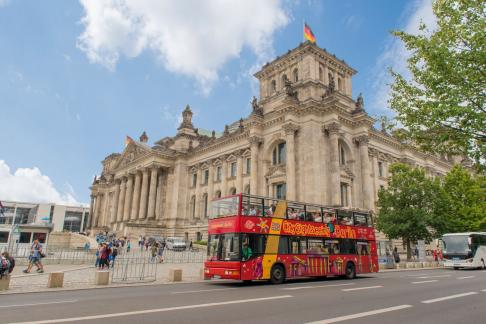
El autobús con paradas y las vistas panorámicas le permiten disfrutar de Berlín a su propio ritmo. Además con Berlín City Sightseeing tendrá la oportunidad de realizar dos rutas para explorar la ciudad.
Haga sus compras en la parada 1, Tauentzienstrasse, el área comercial más importante de Berlín, o baje en la parada 2 y visite las grandes tiendas de Kaufhaus des Westens, más conocido como KaDeWe. Pero si lo que le gusta es tenerlo todo en un solo lugar, baje en la parada 8 para visitar el centro comercial Alexa de 5 plantas. A medida que avance en su recorrido, disfrute de la vista de la plaza Potsdamer Platz desde la comodidad del autobús. Sienta la historia en la parada 4, Muro de Berlín, lugar que cambió la historia de Alemania. En la parada de autobús 6, encontrará la plaza The Gendarmenmarkt, un punto de interés arquitectónico en el que verá la sala de conciertos Konzerthaus y las iglesias francesa y alemana. En el centro de la plaza se luce la monumental estatua del renombrado poeta alemán Friedrich Schiller.
Al pasar por la parada 9, disfrute de la vista de la Torre de TV y del ayuntamiento Rotes Rathaus. Simplemente siga toda la ruta y cuando encuentre algo que le gustaría explorar más, solo tienes que bajar. Cuando ya lo haya visto todo, simplemente espera el próximo autobús y siga con el tour.
Si elige la Ruta Tradicional visitará los mejores sitios turísticos de Berlín. Añada entradas a las principales atracciones y su viaje será un éxito: Legoland Discovery Centre, Mazmorra de Berlín, el museo Madame Tussauds o Sea Life Centre.
Ruta Roja – Tradicional
Horario: 09:15 – 16:00h
Duración: 120 minutos.
Frecuencia: 15 minutos.
Ruta Verde – Muro y Estilo de Vida
Horario: 10:00 – 16:00h
Duración: 120 minutos.
Frecuencia: 30 minutos.
Podrá ver el mapa con las dos rutas en este enlace.
Madame Tussauds Berlin
Acérquese a sus celebridades favoritas. Hágale un bloqueo a Dirk Nowitzki o pruebe su habilidad para tirar penaltis contra Manuel Neuer. Conozca leyendas de la música como Michael Jackson y The Beatles. Madame Tussauds le trae en un mismo sitio gente que nunca pensó que podría ver juntos en la vida real, como Lady Gaga o la Canciller Angela Merkel, Heidi Klum y Albert Einstein…
Original Xiaomi Minimalisme Sac À Dos Vie Urbaine Style Sac Quatre Couche Espace De Stockage Grande Capacité Sac À Dos 14 pouce Ordinateur Portable Sacs Pour L'école D'affaires Voyage
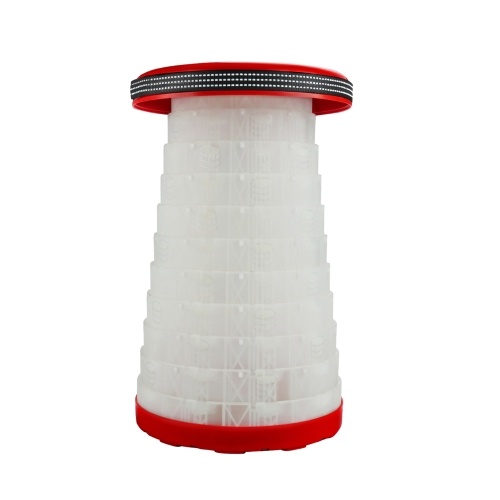
Tabouret pliable pliable Chaise extensible avec blanc chaud / respiration / SOS 3 modes d'éclairage 2 * AA alimenté par cellule pour le marché extérieur à grande vitesse Utilisation de chemin de fer Portable