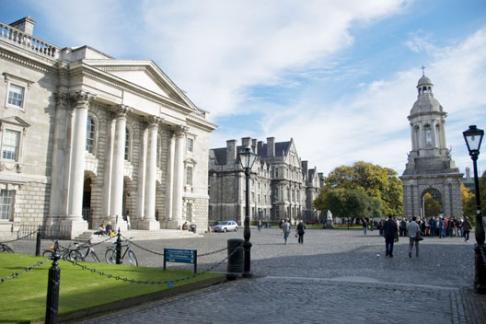
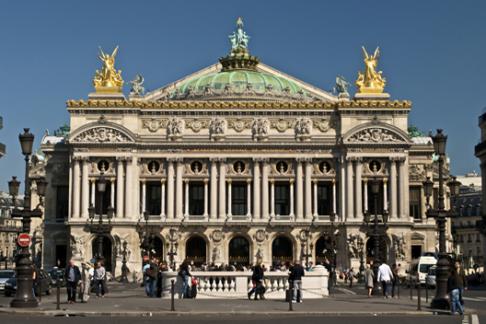
DoDublin Card
OverView
Ensembles de tubes souples en silicone rechargeable
Artistic Barcelona - Best of Gaudi + Sagrada Familia
Barcelona is known as the capital of Modernism and the place where the famous architect Antoni Gaudí worked and lived. Gaudi, one of the greatest innovators of his time, has left behind numerous treasures for the discerning tourist to discover in Barcelona. The Sagrada Familia is one of the most visited buildings in the world. We will visit the astonishing interior of this church, where vaults reach seventy meters. Antoni Gaudí designed a Latin cross plan with five aisles, extremely rich in ornamentation and symbolism. We will also visit the Sagrada Familia museum, where you will see drawings, plaster models and pictures about the history and development of this basilica from its early beginnings to the present day. The museum will also give valuable information about Antoni Gaudi´s life and career. Then we will join with the rest of group and continue with the visit of the Artistic Tour. During which you will discover Gaudi's bizarre Park Güell which has been declared a UNESCO World Heritage Site. Be careful, it's easy to get lost in the whimsical design of this bizarre but compelling public park with a perfect integration of the architectural elements in nature. Our tour continues to Passeig de Gràcia to see Gaudi's famous apartment buildings like Casa Mila “La Pedrera”, Casa Batlló and others modernist buildings. The tour ends near the Casa Batlló - Passeig de Gràcia, 43.
Cerf-volant géant de baleine d'aile douce 3D sans cadre énorme
Tower Bridge Exhibition + HMS Belfast
HMS Belfast One of the most powerful large light cruisers ever built, HMS Belfast is now the only surviving vessel of her type to have seen active service during the Second World War. HMS Belfast played a leading part in the destruction of the battle cruiser Scharnhorst, and also the Normandy Landings. In service with the Royal Navy until 1965, she was saved for the nation in 1971 as a unique reminder of Britain’s naval heritage. Launch! Shipbuilding Through the Ages This new family-orientated exhibition will use hands-on and computerised interactive displays and engaging film and footage to demonstrate techniques of shipbuilding, from the ‘age of sail’ to modern prefabrication methods. The exhibition will focus on the science, engineering and social history of shipbuilding in Great Britain, and the interactive elements of the exhibition will allow children of all ages to get involved and experience this history. Explore ‘What shall we give in return for so much?’ One of the most powerful large light cruisers ever built, HMS Belfast is now the only surviving vessel of her type to have seen active service during the Second World War. Serving Britain for 32 years, she played an important role in both the Second World War and the Korean War as well as performing peacekeeping duties throughout the 1950s and 1960s. Saved from destruction in 1971, HMS Belfast is now part of the Imperial War Museum and is the first ship to be preserved for the nation since Nelson’s Victory. Through its team of staff and volunteers – many of whom are veteran crew – the Imperial War Museum is dedicated to making sure that HMS Belfast still has a role to play in reminding visitors of her unique place in Britain’s maritime heritage. History of HMS Belfast The term 'cruiser' goes back to the days of sailing ships when large frigates could be detached from the main fleet to cruise independently. The sailing cruiser, like her twentieth-century counterpart, was sufficiently powerful and fast to attack and destroy enemy commerce raiders. During the nineteenth century when sail gave way to steam and wooden ships were replaced by those built of iron, and later of steel, the cruiser evolved into a powerful warship which was used to patrol the Empire trade routes and protect friendly merchant shipping. After the First World War (1914-1918) a single category of cruiser emerged whose size was indicated by the size of its guns; thus, HMS Belfast is a 6-inch cruiser, designed for the protection of trade, for offensive action, and as a powerful support for amphibious operations. Please note: children under 16 must be accompanied by an adult. Please allow 1½ - 2 hours for your visit. Tower Bridge Exhibition Walkways & Exhibition: Visitors enter Tower Bridge Exhibition via the North Tower. They are then transported by lift to the top of the Tower (47 metres above the Thames) where they have a unique opportunity to see the Bridge’s steel skeleton from within. A short film explains the history and provenance of the Bridge and then there is the chance to admire the spectacular views – from both covered Walkways. On Monday 1st December, Tower Bridge’s East Walkway will reopen with its own GLASS FLOOR, joining the West Walkway to complete our new-look exhibition. Together with far-reaching views of East London, the walkway will be bolstered with a further 20 revered bridges in the extended popular display, ‘Great Bridges of the World’. On the east Walkway there are fantastic views of the Docklands and from the west Walkway you can see the new GLA building, the Tower of London, St Paul’s, the city, the Pool of London and Big Ben and the London Eye in the distance. Interactive computerised kiosks and graphic panels explain the significance of the views to visitors, as well as providing more information on the history and building of the Bridge. The interactive material and graphic panels are written in seven languages and an audio loop for the hard of hearing is also in place for the video show. There is another film to view in the South Tower before descending for the short walk to the historical Engine Rooms, included in your ticket price. Victorian Engine Rooms: These provide a fascinating insight into late 19th century engineering. Installed for the completion of Tower Bridge in 1894, these huge, and beautifully maintained, coal-driven engines were used to power the thousands of bascule Bridge lifts performed until 1976. Although lifts are now operated by electricity, the original steam engines are still in place. The Engine Rooms give visitors a chance to experiment with models demonstrating the technology behind the Bridge. There are also some amazing photographs of Tower BridgeTthroughout its lifetime – including a revealing picture of the heavy steel structure of the Bridge as the stone cladding was installed over it.
iFLY Denver- First Time Flyers
iFLY welcome flyers from 3 to 103. If you have reasonable health and fitness you can fly. But do check the criteria below before you purchase tickets. There are a few exceptions: Flyers must be over 3 years of age. Participants must weigh less than 300 pounds. Participants who weigh between 260 and 300 pounds must bring this to the attention of an iFLY representative as additional restrictions and instructor scheduling limitations may apply. Women who are pregnant should not fly. Folks with recent back, neck and heart problems should check with a doctor before flying. iFLY recommends people with prior shoulder dislocations DO NOT FLY! Click below for a complete list of restrictions: https://www.iflyworld.com/flight-restrictions-and-requirements/
Rideaux à œillets d'intimité bloquant le soleil pour rideaux d'extérieur et d'intérieur à 1 panneau